
How to Prepare Your Kitchen for Cooking
Cooking is both an art and a science, requiring not only skill but also an organized and efficient workspace. Preparing your kitchen effectively can set the stage for culinary success and allow you to focus on creating delicious meals. Whether you are a novice or a seasoned chef, knowing How to optimize your cooking environment is essential. In this section, we will explore how to arrange your kitchen, gather necessary tools and ingredients, and establish a comfortable cooking atmosphere.
Organizing Your Space Efficiently
The first step in preparing your kitchen is to organize your space effectively. An organized kitchen not only saves time but also reduces stress during cooking. Here are some key tips:
- Zones: Divide your kitchen into distinct zones such as prepping, cooking, and cleaning. This helps streamline workflows. Ensure each zone is stocked with relevant tools and ingredients.
- Accessibility: Keep frequently used items, like spices and utensils, within easy reach. Store lesser-used items higher or in the back of cabinets to maintain access to what you need most.
- Declutter: Remove unnecessary gadgets and items that you rarely use. A clean countertop promotes creativity and focus while cooking.
Gathering Essential Tools and Ingredients
Before you start cooking, it’s crucial to gather your essential tools and ingredients. Here’s how to approach this step:
- Basic Tools: Invest in high-quality knives, cutting boards, pots, and pans. These foundational tools can significantly enhance your cooking experience.
- Ingredient List: Prepare a list of ingredients needed for your recipes. Ensure that pantry staples such as oils, salts, and herbs are fully stocked.
- Prepping Ingredients: Wash, chop, and measure your ingredients before you start. This practice, known as mise en place, can make cooking smoother and quicker.
Setting Up a Comfortable Cooking Atmosphere
Environment dramatically impacts cooking performance. To create a comfortable atmosphere, consider these factors:
- Lighting: Good lighting is essential. Utilize natural light during the day and ensure you have appropriate task lighting for evening cooking.
- Temperature Control: Keep the kitchen at a comfortable temperature, adjusting heating and cooling based on the season.
- Music and Aroma: Some chefs find that background music enhances their cooking experience. Additionally, consider aromatic candles or diffusers to create a welcoming scent in the kitchen.
How to Use Fundamental Cooking Techniques
Mastering fundamental cooking techniques is crucial for elevating your culinary skills. Understanding the basics provides a strong foundation for more advanced methods.
Understanding Knife Skills
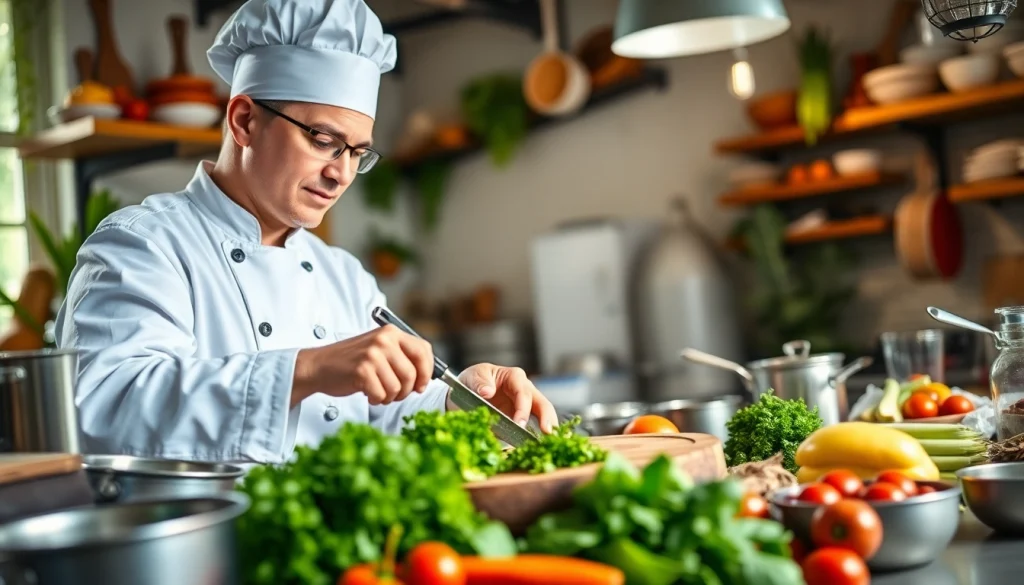
Knife skills are paramount in the kitchen. Proper cutting techniques not only speed up prep time but also ensure uniform cooking. Here are essential knife skills to master:
- The Grip: Hold the knife with a pinch grip for better control. Pinch the blade with your thumb and forefinger while resting the other fingers around the handle.
- Chopping Technique: Use a rocking motion for chopping herbs and vegetables. Keep your non-dominant hand in a claw position to guide and protect your fingers.
- Practice: Regular practice will enhance your speed and precision. Consider starting with softer vegetables before progressing to tougher ones.
Mastering Cooking Methods: Boiling, Baking, and Sautéing
Knowing various cooking methods expands your repertoire and allows for versatility in meal preparation. Let’s explore three fundamental techniques:
- Boiling: A primary method that involves cooking food in water or broth. Master timing, as over-boiling can lead to mushy textures.
- Baking: This technique uses dry heat to cook food, usually in an oven. Understanding temperature settings and cooking times is key to successful baking.
- Sautéing: A quick method that involves cooking food in a small amount of oil or fat over relatively high heat. Mastering sautéing requires careful attention to timing to avoid burning.
Practicing Timing and Temperature Control
One of the most crucial aspects of cooking is timing and temperature control. Here are some tips to help you become adept:
- Read Recipes Thoroughly: Before starting, read through recipes multiple times to understand timing and any temperature adjustments needed.
- Invest in a Thermometer: Use kitchen thermometers to ensure meats are cooked to the right internal temperature, which improves food safety and taste.
- Use Timers: To avoid overcooking, always set timers for various cooking milestones during meal preparation.
How to Season and Flavor Your Dishes
Seasoning and flavoring are essential to make meals not only edible but enjoyable. Knowing how to use herbs, spices, and flavoring techniques can elevate your dish to gourmet status.
Essential Herbs and Spices to Enhance Flavor
Understanding herbs and spices is crucial for enhancing flavor. Here’s how to incorporate them:
- Fresh vs. Dried: Fresh herbs offer vibrant flavor, while dried ones pack a more concentrated punch. Learn when to use each type to maximize flavor potential.
- Blending: Consider herb blends like Italian seasoning or curry powder for a quick way to infuse flavor.
- Experimentation: Don’t hesitate to experiment! Combine different herbs and spices to discover unique flavor profiles that suit your palate.
Balancing Flavors: Sweet, Sour, Bitter, and Salty
Balancing flavors is the key to successful cooking. Understanding the components helps in creating harmonious dishes:
- Sweetness: Add sweetness with honey or sugar. Sweetness can counterbalance acidity and bitterness.
- Sourness: Utilize vinegar or citrus juices for that bright touch. A splash can elevate a dish and balance other flavors.
- Bitterness: Ingredients like dark chocolate or certain greens add depth to a dish but should be balanced with sweeter or saltier elements.
- Saltiness: Salt is essential not only for flavoring but also for enhancing other flavors. Use it judiciously to prevent overpowering a dish.
Using Marinades and Sauces Effectively
Marinades and sauces can be game-changers in cooking. Here’s how to utilize them:
- Marinating: Soak proteins and vegetables in flavorful liquids to enhance tenderness and infuse flavor. Consider the right balance between acid, oil, and aromatics.
- Creating Sauces: Rings true on how to create sauces – start with a flavored liquid, emulsify with fats, and finish with herbs to elevate simple dishes.
- Pairing: Learn which sauces complement specific dishes. Experiment to discover which flavors harmonize well together.
How to Plate Your Meals Artfully
Presentation matters. Train yourself to plate meals creatively to enhance the overall dining experience. Here are ways to improve your plating skills.
Basics of Food Presentation
Beautifully presented dishes enhance the eating experience. Consider the following tips:
- Use Different Heights: Stacking or layering ingredients creates visual interest. Elevate small portions with garnish to add depth.
- White Space: Avoid overcrowding your plate. Leave some negative space to make the food stand out.
- Garnishing: Fresh herbs, edible flowers, and drizzles of sauces can enhance both color and flavor.
Using Colors and Textures to Create Visual Appeal
Color and texture play critical roles in food presentation:
- Variety: Incorporate a variety of colors in your dishes to make them visually appealing. Think green, red, yellow, and purple.
- Textures: Combining crisp, creamy, and tender elements adds intrigue to your meals.
- Contrasting Colors: Use complementary colors to create dishes that pop visually. For example, pair vibrant greens with deep reds.
Tips for Professional-Looking Meals at Home
Achieving a professional appearance can be simpler than it seems:
- Invest in Quality Serveware: Beautiful plates and bowls enhance the aesthetic of your meals.
- Practice Plating Techniques: Take time to learn basic plating techniques, such as time piecing, dragging, or splaying.
- Plate in Layers: Start with a base layer and build up. This approach looks more structured and refined.
How to Overcome Common Cooking Challenges
Even the best cooks encounter challenges in the kitchen. Knowing How to navigate these hurdles effectively can boost your confidence and skills:
Handling Kitchen Mishaps Gracefully
Accidents happen; how you respond can make all the difference. Here’s how to handle them:
- Keep Calm: Stay calm when mistakes occur. Panicking can lead to poor decisions that make matters worse.
- Assess the Damage: Evaluate the situation carefully. Can a burnt dish be salvaged or creatively repurposed?
- Learn to Adapt: Flexibility can turn a kitchen mishap into an unexpected opportunity for creating something new.
Adapting Recipes to Ingredients You Have
Sometimes you may not have all ingredients on hand. Learn how to adapt recipes effectively:
- Substitutions: Master common substitutions, such as using yogurt instead of sour cream or chickpeas in place of meat.
- Improvise: Be willing to experiment! Sometimes the best dishes come from improvisation.
- Season Judiciously: When substituting ingredients, adjust seasoning wisely, as flavors may differ from the original recipe.
Learning from Mistakes to Improve Cooking Skills
The best chefs see mistakes as learning opportunities. Here’s how to turn failures into growth:
- Reflect: After cooking, reflect on what went well and what didn’t. Taking time to analyze can lead to improvement.
- Seek Feedback: Getting feedback from others can provide new insights into areas for improvement.
- Document Your Journey: Keeping a cooking journal helps track your successes and challenges while providing a reference for future cooking.
Frequently Asked Questions
How to choose the right cooking tools?
Select tools based on the types of dishes you frequently prepare. Look for versatility and quality to ensure they’ll last.
How to measure ingredients accurately?
Use measuring cups for solids and liquids. For precision, consider a kitchen scale, especially for dry ingredients like flour or sugar.
How to safely handle knives?
Always cut away from your body and keep your fingers curled. This technique reduces the risk of accidental cuts while working with a knife.
How to store leftover food properly?
Allow food to cool before refrigerating it. Store in airtight containers to prolong freshness and prevent contamination.
How to improve cooking skills quickly?
Practice consistently, watch instructional videos, and experiment with new recipes to enhance your abilities rapidly.