
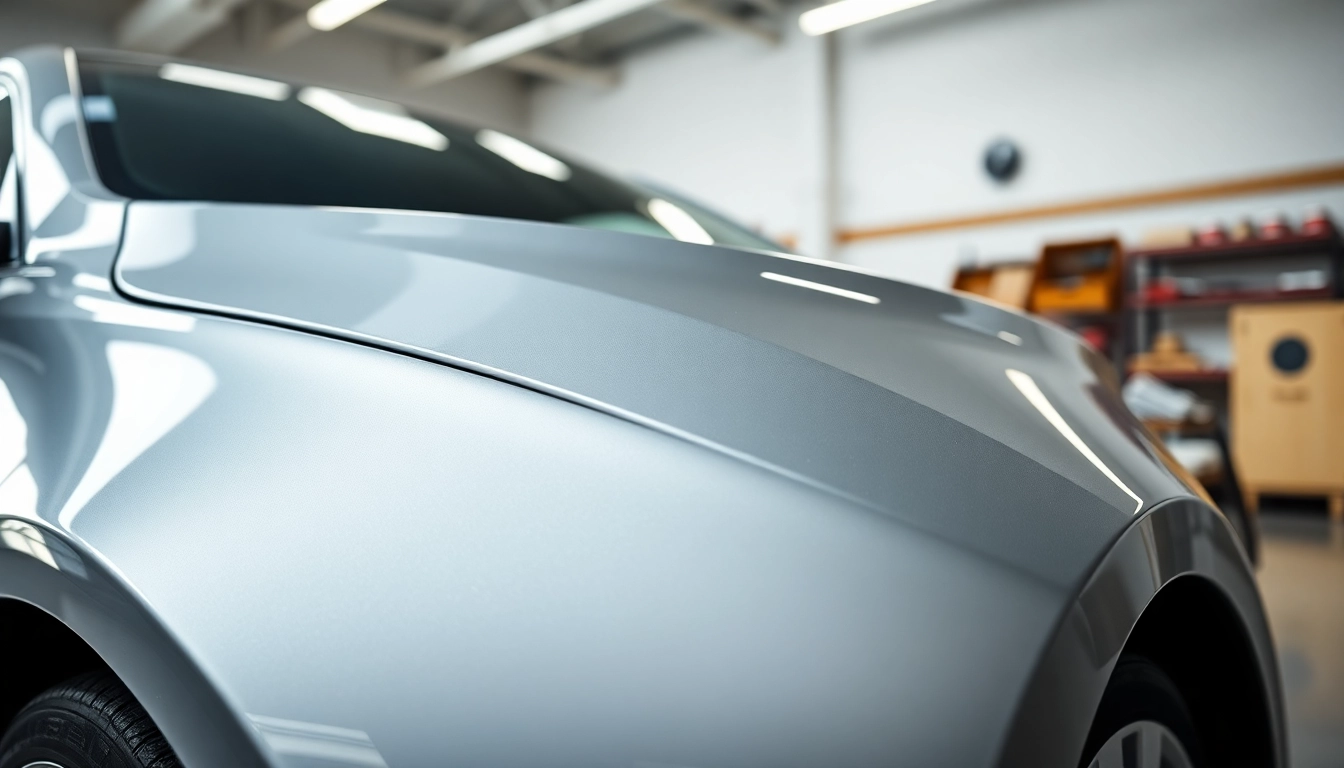
Understanding Paint Protection Film
What is Paint Protection Film?
Paint Protection Film (PPF) is a transparent, polyurethane film applied to a vehicle’s exterior surfaces. Its primary function is to act as a shield against external elements that can damage the paint, such as rocks, dirt, and harmful UV rays. While many drivers cherish their vehicles for aesthetic reasons, the onset of scratches, chips, and fading can diminish their beauty over time. This is where paint protection film comes into play, offering an invisible layer of defense.
How Does Paint Protection Film Work?
The working mechanism of paint protection film is rooted in its unique properties. The film is designed to absorb impact from minor abrasions and provide a barrier against chemical contaminants. When a vehicle is subjected to the rigors of daily driving—like environmental pollutants, road debris, and inclement weather—the film deflects these elements, thereby preserving the original integrity of the paint below. Furthermore, PPF is equipped with self-healing characteristics. Minor scratches on the surface can often disappear through exposure to heat, thanks to the film’s advanced technology.
Benefits of Using Paint Protection Film
Investing in paint protection film offers numerous advantages:
- Scratch and Chip Resistance: PPF significantly minimizes the risk of chips and scratches from road debris.
- UV Protection: The film helps prevent fading caused by prolonged sun exposure, maintaining vibrant color and shine.
- Easy Maintenance: Cleaning a car with PPF is easier since it repels dirt, grime, and contaminants, allowing for a smoother wash process.
- Increased Resale Value: A well-protected vehicle is likely to maintain its value better than one that shows wear and tear.
- Customizability: PPF can be applied to various areas of a vehicle, allowing for tailored protection according to individual needs.
Finding Paint Protection Film Near Me
Online Research Strategies
Finding quality paint protection film near me involves conducting thorough online research. Start by using search engines and input specific phrases like “paint protection film near me” to generate localized results. Pay attention to the websites offering PPF products, installation services, and informative articles related to paint protection. Social media platforms can also reveal how others have rated their experiences, providing a glimpse into various services available.
Local Reviews and Testimonials
Once potential providers have been identified, delve into local reviews and testimonials. Platforms like Google Reviews, Yelp, and specialized automotive forums offer first-hand accounts from customers who have already undergone PPF installation. These reviews can provide insights into the quality of the film, the professionalism of the installation team, and overall customer satisfaction. It’s vital to consider both positive feedback and critical assessments to gauge the reputability of each option.
Asking for Recommendations
Word of mouth remains one of the most effective tactics in finding reliable services. Ask friends, family, or colleagues if they have experience with paint protection film installations. Personal endorsements can lead to discovering trustworthy professionals who may not have a strong online presence. Additionally, local car clubs or social media groups centered around automotive interests can offer valuable recommendations.
Application Process and Considerations
Surface Preparation Steps
Preparing the vehicle surface for paint protection film application is crucial to ensure optimal adhesion and longevity of the film. Begin by thoroughly washing the vehicle to remove any dirt, grease, and contaminants. After a wash, a clay bar treatment can be employed to eliminate embedded impurities within the paint surface. Finally, ensure the surface is completely dry and inspect for any pre-existing imperfections before the installation commences.
DIY vs. Professional Installation
When it comes to applying paint protection film, potential installers often face the decision of DIY installation versus professional application. DIY kits are available and may seem cost-effective; however, proper installation requires meticulous attention to detail and experience with handling the film material. Mistakes can lead to unsightly bubbles or even damage to the vehicle’s paint. On the other hand, professional installation assures a seamless fit and enhanced performance due to the expertise in handling such materials. Ultimately, the choice depends on skill level and budget considerations.
Aftercare and Maintenance Tips
Once the paint protection film is installed, it’s crucial to follow specific aftercare guidelines to ensure its effectiveness. For the first few weeks post-application, avoid washing the vehicle or exposing it to extreme weather conditions. When washing, use only pH-neutral soaps and soft towels to prevent damage to the film’s surface. Regular inspections should be done to check for signs of peeling or discoloration, and necessary actions should be taken promptly.
Common Myths About Paint Protection Film
Cost Myths
One prevalent myth surrounding paint protection film is that it’s too expensive and not worth the investment. In truth, while the initial upfront costs may be higher than traditional waxing, the durability and protection offered by high-quality PPF can lead to significant savings over time by maintaining your vehicle’s value and reducing the need for extensive repairs.
Durability Misconceptions
Another common misconception is that paint protection film cannot withstand harsh conditions. Quality PPFs are designed to be highly durable, offering protection for up to 10 years with proper maintenance. The films are engineered to battle abrasions, stains, and UV damage, proving their resilience far beyond that of conventional wax or sealants.
Effect on Vehicle Appearance
Some potential customers are concerned that the film will alter the appearance of their vehicle. However, high-grade paint protection films are virtually invisible when applied correctly. They enhance the depth and clarity of the paint without changing its original color, ensuring your vehicle retains its aesthetic appeal while being safeguarded against damage.
Frequently Asked Questions
How long does paint protection film last?
Paint protection film can last anywhere from 5 to 10 years with proper care, depending on factors such as the quality of the film and environmental conditions.
Can paint protection film be removed?
Yes, paint protection film can be safely removed by a professional. This process typically does not damage the vehicle’s paint beneath.
Will paint protection film yellow over time?
High-quality films resist yellowing, but lower quality films may degrade more quickly, affecting their protective capabilities and aesthetics.
How long does the installation take?
Installation can take between 1 to 4 hours, depending on the size of the area being covered and the complexity of the application.
Is paint protection film worth it?
Yes, investing in paint protection film provides significant long-term benefits, including improved durability and protection, preserving your vehicle’s appearance and value.