
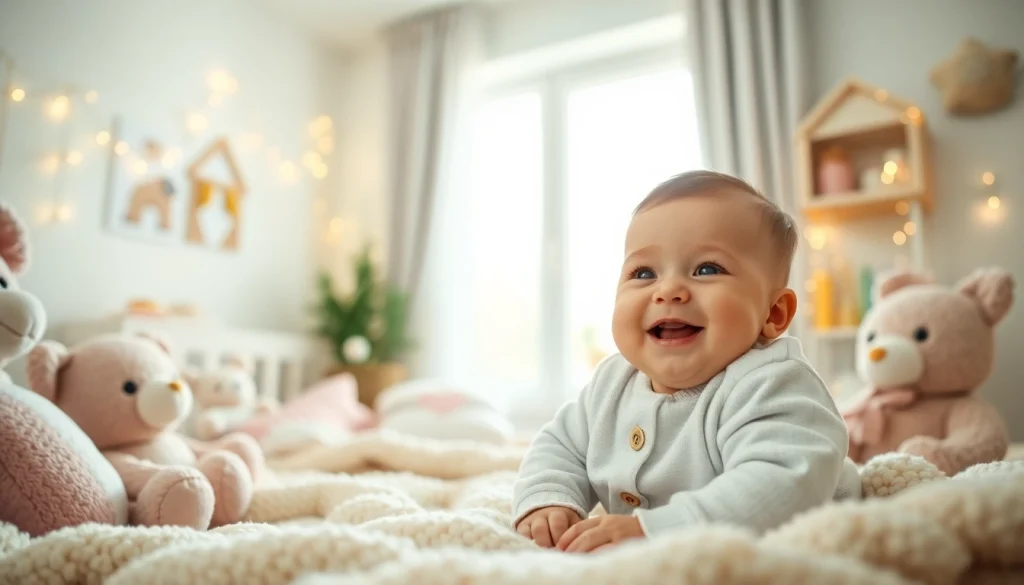
Understanding the Art of Babyfotografie
Capturing the essence of a newborn or young child is a unique blend of art and science. Babyfotografie goes beyond merely taking pictures; it involves creating a lasting memory that tells a story and encapsulates milestones in a child’s development. The thoughtfulness put into each photo helps cherished moments resonate with parents for years to come. This comprehensive guide will explore the nuances of baby photography, providing you with the techniques and insights needed to capture those precious early days effectively.
The Importance of Capturing Milestones
As parents, witnessing the tiny wonders of a child’s growth can be both exhilarating and fleeting. From their first smile to the moment they take their first steps, these milestones are worth documenting. Capturing these moments not only enables you to look back and cherish them later but also helps in tracking your child’s development.
Research indicates that family photographs can have a positive impact on children’s self-esteem. That’s because incorporating their images into family dynamics reinforces their sense of belonging. Each milestone captured through Babyfotografie essentially becomes a part of their narrative, a visual diary showing how they’ve evolved over time.
Choosing the Right Time for Photos
Timing is crucial in Babyfotografie. Newborns are often best photographed within the first couple of weeks after birth when they are still sleepy and flexible, allowing for those adorable, curled-up poses. However, as they grow, different age ranges exhibit unique characteristics and expressions worth capturing:
- Newborn Stage (0-2 weeks): Soft, sleepy, and pliable; perfect for swaddled, curled poses.
- 3-6 Months: Babies begin to hold their heads up, offering chances for more interactive shots.
- 6-12 Months: Ideal for capturing sitting, crawling, and playful expressions.
- 1 Year: Celebrate milestones like the first birthday with themed sessions.
Understanding these stages will empower you to choose the right time to encapsulate the specific beauty of each developmental phase.
Setting Up a Comfortable Environment
Creating a soothing atmosphere is fundamental in Babyfotografie. Ensuring that the baby feels comfortable can lead to more natural and expressive photos. Consider the following factors:
- Temperature: Keep the room warm and cozy, especially for newborns who prefer warmth.
- Lighting: Natural light is preferable; try to schedule sessions during sunny days.
- Noise Levels: Lower background noise and distractions to foster calmness.
- Safety: Always prioritize the baby’s safety by ensuring the environment is free from hazards.
By cultivating a relaxing backdrop, you foster an environment conducive to capturing genuine expressions.
Essential Equipment for Babyfotografie
To excel in Babyfotografie, choosing the right equipment is essential. It’s not just about having the latest model; it’s about understanding which tools work best for you and the desired outcome. Let’s discuss the vital equipment:
Camera and Lenses Selection
Investing in a quality camera is paramount for any photographer, especially for capturing babies. A DSLR or mirrorless camera provides flexibility and superior image quality. Additionally, consider the following lens options:
- 50mm f/1.8 Lens: Great for portraits and low-light conditions, this lens creates a beautiful blurred background.
- 24-70mm f/2.8 Lens: Versatile for various angles, allowing you to zoom in on intricate details.
- Macro Lens: Perfect for capturing tiny details, such as baby fingers and toes.
Selecting the right lens will significantly enhance your ability to capture intimate moments.
Lighting and Backdrop Considerations
Lighting is a crucial element of any photoshoot. Natural light, particularly during golden hour—shortly after sunrise or before sunset—can add warmth and depth to your images. When setting up backdrops, consider the following tips:
- Choose Neutral Colors: Soft pastels or simple white backdrops allow the baby to remain the focal point.
- Textures: Incorporating textures like blankets or fabrics can add depth to the photos.
- Keep It Simple: Avoid busy patterns that may distract from the subject.
A well-thought-out backdrop and lighting can elevate the beauty of your captures.
Props to Enhance the Photography Session
While not mandatory, props can add a touch of creativity and personality to your Babyfotografie. Here are some thoughtful prop ideas:
- Soft Toys: Incorporate favorite toys to evoke natural expressions.
- Blankets: A cozy, tactile element can enhance comfort.
- Milestone Cards: Capture age or special moments with fun cards.
Choose props that resonate with the family’s aesthetic and create opportunities for storytelling through your images.
Techniques for Stunning Babyfotografie
Technical skills play a significant role in Babyfotografie. Mastering various techniques can help you achieve stunning results in every shoot. Here are essential techniques to consider:
Utilizing Natural Light for Bright Photos
Natural light can be your best friend when it comes to photography. It provides soft, flattering illumination, which is ideal for capturing babies. Try positioning your subject near a window where diffused light can softly illuminate their features. To prevent harsh shadows, consider using a reflector or shooting during overcast weather.
Positioning and Angles for Dramatic Effects
Experimenting with angles can lead to unique and captivating images. Here are some positioning tips:
- Eye Level: Shooting at the baby’s eye level creates an intimate connection.
- Bird’s Eye View: Captures a unique perspective, especially when the baby is laying down.
- Close-ups: Focus on details like tiny hands or facial expressions for emotionally impactful images.
Understanding how different angles affect your images can significantly enhance your storytelling ability.
Capturing Emotion and Personality
The key to compelling Babyfotografie lies in capturing genuine emotions. Observe the baby’s expressions and be ready to shoot when they smile, frown, or show curiosity. Engaging with the baby, using soft sounds or toys, can elicit genuine reactions, leading to candid and beautiful portraits.
Post-Processing Tips for Babyfotografie
The art of photography doesn’t end with the shutter click; editing is crucial for enhancing your images. Post-processing can polish your photos while preserving their original charm. Here are the steps for effective post-processing following a baby photography session:
Editing Software Recommendations
Investing in quality editing software is essential for any serious photographer. Programs such as Adobe Lightroom and Photoshop offer powerful editing capabilities that can enhance your images. Free alternatives like GIMP or Cloud-based editors like Pixlr can also be effective, providing essential tools to adjust exposure, contrast, and color balance.
Enhancing Colors and Textures
After selecting your best shots, it’s time for enhancement. Begin by correcting white balance to ensure accurate colors. Consider these edits:
- Saturation: Boost colors to create a lively feel while avoiding unnatural vividness.
- Sharpness: Increasing sharpness can highlight fine details, making the subjects pop.
- Skin Retouching: Gentle skin retouching keeps the baby’s features soft and natural.
These touch-ups not only beautify your images but also maintain the purity of childhood innocence.
Creating a Cohesive Photo Album
Once you’ve edited your images, consider how to display them. A cohesive album is an excellent way to highlight your babyfotografie journey. Choose a consistent theme or style—such as color palette or layout—for a unified look. Online services offer customizable photo book options, allowing you to craft beautifully bound albums with ease.
FAQs about Babyfotografie
What age is best for baby photography?
Newborns (0-2 weeks) are ideal for posed shots, while 3-6 months offers lively expressions and interactions.
How long do baby photography sessions typically last?
Sessions typically last between 1-2 hours, allowing time for breaks and to keep the baby comfortable.
What should I dress my baby in for photos?
Choose simple and neutral clothing to keep the focus on the baby. Natural fabrics work best.
Can I include siblings in babyfotografie?
Absolutely! Including siblings can create heartwarming family photos and document their bond.
How much does baby photography usually cost?
Pricing varies widely depending on experience, location, and package options; typically, sessions range from $200 to $1,000.