
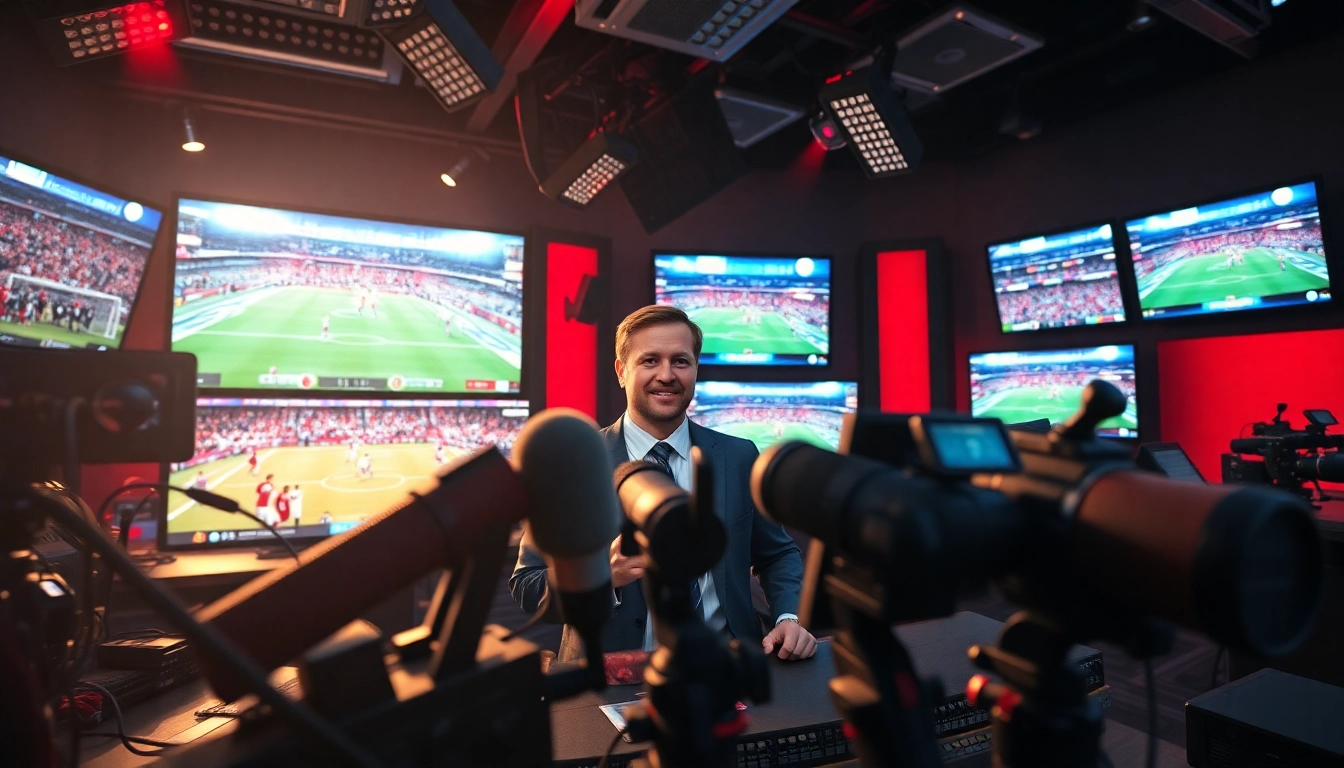
Introduction to Sports Broadcasting
Overview of Sports Broadcasting
Sports broadcasting is a specialized area within the broader media landscape, focused on the live transmission of sports events and related content to audiences worldwide. This field encompasses various formats, including radio, television, and online streaming, catering to the diverse preferences of sports fans. With the rise of digital platforms, the importance of timely and engaging broadcast content has escalated, further enhancing the viewer experience. As more viewers seek content beyond traditional channels, understanding the intricacies of Sports Broadcasting has never been more crucial for professionals in the industry.
Importance in Modern Media
The significance of sports broadcasting in contemporary media cannot be understated. It serves as a vital source of entertainment, creating community connections and influencing sports culture. Beyond mere entertainment, it boosts local economies through advertising, sponsorships, and tourism related to major sporting events. Broadcasters have a pivotal role in promoting sports and athletes, contributing to their profiles and significantly impacting their careers. Moreover, sports broadcasting fosters innovations in media technology and engagement strategies, reflecting society's cultural shifts.
Key Concepts and Terminology
Understanding sports broadcasting requires familiarization with essential terminology. "Play-by-play" refers to the live commentary during an event, while "color commentary" adds context and analysis. "Sideline reporting" brings insights from the field, enhancing viewer engagement. "Broadcast rights" involve the legal permissions to air specific events, impacting revenue streams significantly. Grasping these terms helps professionals navigate the landscape effectively, ensuring effective communication within the industry.
Essential Skills for Sports Broadcasters
Communication and Presentation Skills
Effective communication and presentation skills are the cornerstone of successful sports broadcasting. Broadcasters articulate plays, engage with their audience, and convey emotions connected to events. Clarity, conciseness, and enthusiasm enhance viewers' experience, providing them with a sense of presence, almost as if they are on the field. Further, adaptability in communication style according to the platform – be it radio, television, or online – is essential for reaching diverse audiences effectively.
Research and Analysis Techniques
Sports broadcasters must be adept at conducting research and performing data analysis to provide insightful commentary. This involves an understanding of statistics, player performances, and historical contexts that enrich broadcast narratives. Knowledge of current affairs related to the sport, including player injuries, team dynamics, and strategies, also plays a crucial role. Proficient research allows broadcasters to anticipate pivotal moments during a game and craft engaging narratives that resonate with viewers.
Engaging with the Audience
Interaction with the audience is vital for building a loyal viewership. Broadcasters use social media, live chats, and fan interactions to create a community around their broadcasts. Listening to audience feedback and integrating it into broadcasts helps keep content relevant and engaging. Techniques such as viewer polls, Q&A sessions with fans, and highlighting fan contributions can deeply enhance the viewing experience, ensuring lifelong patronage from sports enthusiasts.
Technology in Sports Broadcasting
Role of Equipment and Software
In today's digital age, technology plays a crucial role in sports broadcasting. High-definition cameras, advanced audio equipment, and sophisticated software have transformed how events are captured and presented. Broadcasters utilize ground-breaking technology such as virtual and augmented reality to enhance viewer engagement. Furthermore, efficient editing software enables real-time replays and highlights that make the viewing experience more immersive and enjoyable, reinforcing audience connection to the event.
Live Streaming and Online Platforms
The rise of live streaming and online platforms has revolutionized sports broadcasting. Platforms like social media networks and dedicated streaming services offer unprecedented access to events, enabling viewers to watch from anywhere globally. This shift from traditional broadcast methods not only expands reach but also allows for a more interactive viewer experience, where fans can choose commentary styles, angles, and even participate in discussion threads during live events.
Future Trends in Sports Broadcasting Technology
The future of sports broadcasting technology looks promising, particularly with the introduction of artificial intelligence and machine learning. These technologies can enhance content personalization, delivering tailored broadcasts based on viewer preferences. Moreover, advancements in 5G technology promise improved streaming quality and reduced latency, allowing for uninterrupted viewing experiences. As holographic displays and VR capabilities become more prevalent, the viewer experience will transform dramatically, leading to a richer connection with sports.
Challenges in Sports Broadcasting
Managing Live Events and Unforeseen Issues
Managing live sports events presents numerous challenges, including technical difficulties, weather disruptions, and unexpected incidents. Broadcasters must have contingency plans to address these issues swiftly to maintain viewer engagement. Developments in technology have aided greatly in minimizing disruptions, with backup systems and contingency content ready to be deployed. Flexibility and quick thinking are essential to keep broadcasts running smoothly under pressure.
Competition and Audience Expectations
The sports broadcasting landscape is highly competitive, with various networks and platforms vying for audience attention. As audience expectations rise, broadcasters are compelled to continually innovate and elevate their content. This includes delivering high-quality visuals, expert commentary, and interactive elements that engage fans. Balancing quality with cost, addressing diverse audience interests, and aligning with changing viewing habits are crucial for success in this competitive arena.
Adapting to Digital Changes
The rapid evolution of digital media requires broadcasters to adapt continuously. Trends towards on-demand viewing, mobile access, and changing demographics necessitate a shift in how content is produced and consumed. Understanding audience segmentation and tailoring content to fit digital platforms is essential for reaching younger viewers. Embracing digital innovations and analyzing viewer data can foster effective content strategies that lead to growth and sustainability in the industry.
Measuring Success in Sports Broadcasting
Key Performance Indicators (KPIs)
To gauge the effectiveness of broadcasts, broadcasters must focus on key performance indicators (KPIs), including viewer ratings, reach, and demographic information. Higher viewer ratings directly correlate with successful advertising revenue and sponsorship opportunities. Additionally, analyzing viewer behaviors and preferences aids broadcasters in refining their strategies and ensuring that content resonates with the audience effectively.
Audience Engagement Metrics
Audience engagement metrics, such as social media interactions, comments, and shares, provide valuable insight into broadcast performance. An increase in engagement often indicates that viewers find the content appealing and relevant, providing a meaningful connection to the event. Monitoring these metrics can help broadcasters identify successful strategies and areas for improvement, enhancing the overall effectiveness of their programming.
Adjusting Strategies Based on Feedback
Incorporating audience feedback into broadcast strategies is vital for continuous improvement. Surveys, social media comments, and analytics provide insights into viewer preferences and areas for enhancement. Broadcasters must be proactive in responding to feedback, using it to adapt content, refine presentation styles, and explore new ways to connect with their audience. By continually evolving their approach, broadcasters can ensure engagement and adaptability within a dynamic environment.
Frequently Asked Questions (FAQs)
What is sports broadcasting?
Sports broadcasting involves the live transmission of sports events and related content through various media formats, including television, radio, and online streaming. It aims to provide entertainment, information, and engagement for sports enthusiasts.
What skills are important for sports broadcasters?
Key skills for sports broadcasters include strong communication, research capabilities, analytical thinking, and audience engagement strategies. Additionally, adaptability to different platforms and technical proficiency is crucial.
How has technology changed sports broadcasting?
Technology has transformed sports broadcasting through high-definition cameras, live streaming capabilities, and enhanced audience engagement tools like social media integration, allowing for more interactive viewer experiences.
What are the primary challenges in sports broadcasting?
Challenges include managing live events, dealing with technical issues, meeting audience expectations, and adapting to rapid digital changes within the industry to remain competitive and relevant.
How can success in sports broadcasting be measured?
Success can be measured through key performance indicators (KPIs) such as viewer ratings, audience engagement metrics, and feedback analysis. These metrics help broadcasters refine content and adapt strategies effectively.