
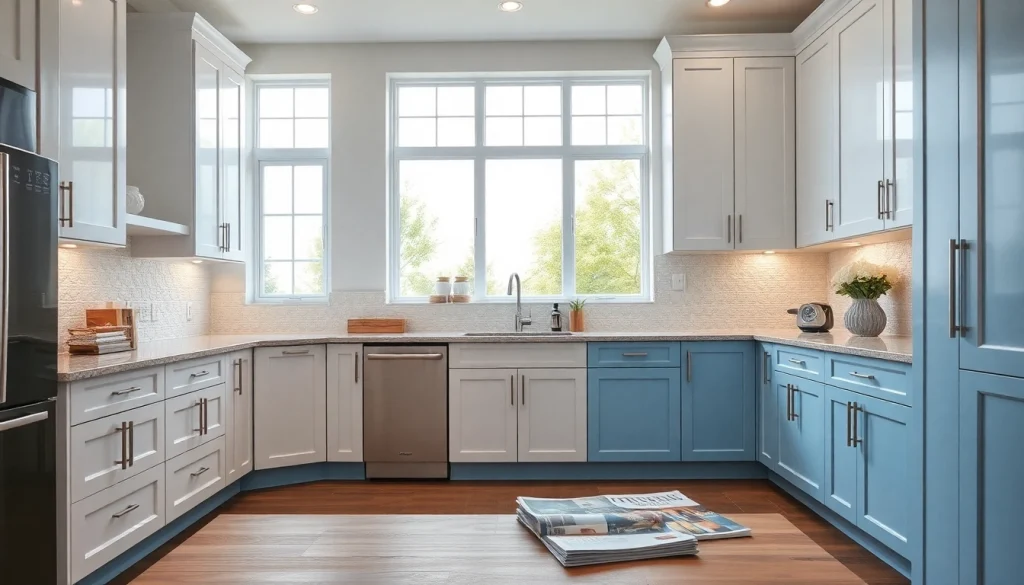
Understanding Cabinet Refacing Clearwater FL
In the realm of home improvement, many homeowners are looking for ways to enhance their living spaces while keeping costs manageable. One such option that has gained popularity over time is cabinet refacing, especially in Clearwater, FL. Instead of opting for a costly cabinet replacement, Cabinet Refacing Clearwater FL can breathe new life into your kitchen or bathroom with minimal disruption to your daily routine.
What is Cabinet Refacing?
Cabinet refacing involves replacing the cabinet doors, drawer fronts, and hardware while retaining the existing cabinet boxes. This method allows homeowners to achieve a brand-new look for their cabinetry without the expense and inconvenience of a full remodel. During the refacing process, various finishes and colors can be chosen, enabling customization to fit any design aesthetic. This approach is particularly appealing to those wanting a fresh atmosphere in their kitchen while minimizing waste.
Benefits of Cabinet Refacing
Refacing offers numerous advantages that extend beyond mere aesthetics. Firstly, it’s considerably less costly than a complete remodel, making it an attractive option for budget-conscious homeowners. Secondly, the time involved in refacing is significantly reduced. Most projects can be completed in a matter of days. Additionally, refacing is a sustainable option, as it utilizes existing cabinet structures, minimizing waste and expenditure on new materials. On top of that, updated cabinets can increase the resale value of your home, appealing to potential buyers with their fresh appearance.
When to Choose Cabinet Refacing?
Choosing cabinet refacing is ideal in numerous situations. For homeowners with structurally sound cabinets that are simply outdated or worn, refacing provides an opportunity to modernize. If you’re aiming to change your kitchen’s design without undertaking a complete renovation, this approach can be both practical and effective. It’s also suited for those needing a quick solution before selling their home to enhance visual appeal and value.
Choosing the Right Materials
Popular Materials for Cabinet Refacing
When it comes to the materials used in cabinet refacing, there are several popular options available. Laminates are one of the most commonly used materials, offering a wide variety of colors and textures while being easy to clean. Wood veneer is another excellent choice, providing a natural look that can be stained or painted. Solid wood is often selected for its durability and classic appearance but can be more costly. The decision on which material to use largely depends on personal preference, durability needs, and budget.
Durability of Cabinet Finishes
Durability is a crucial consideration when selecting finishes for refacing your cabinets. High-quality paints and stains can resist wear and tear, further ensuring your investment lasts. Consider finishes that are resistant to moisture and heat, especially for kitchens, as they are prone to the effects of cooking and cleaning. Happy homeowners often find that a well-finished cabinet can withstand everyday use, maintaining its beautiful appearance for years to come.
Cost Considerations in Materials
The cost of materials can vary widely based on the type of finish chosen. Laminates tend to be on the lower end of the price spectrum, while solid wood and custom finishes can significantly increase overall project costs. It is crucial to set a realistic budget beforehand. Engaging a professional can provide insight into potential expenses, enabling informed decisions that align with your financial plan.
Planning Your Cabinet Refacing Project
Steps to Prepare Your Kitchen
Preparation before starting your cabinet refacing project is essential for success. Begin with a thorough cleaning of your cabinets to ensure they are free of grease and grime. Next, evaluate your kitchen’s layout to identify which areas need the most attention. Take precise measurements of your existing cabinets to make informed decisions regarding sizes and styles of new doors and drawer fronts. Consider the overall design aesthetic, color schemes, and hardware you wish to incorporate.
Design Styles and Trends
Today’s cabinet design trends reflect a range of styles from modern, minimalistic designs to more traditional offerings. Shaker-style cabinets remain popular for their classic appeal, while high-gloss finishes can bring a contemporary vibe to kitchens. Additionally, two-tone cabinetry is a trendy choice, allowing homeowners to combine complementary colors for added depth. The key is to select a style that not only fits well with existing decor but also resonates with your personal taste.
Hiring Professionals vs. DIY
A significant decision in planning your project is whether to hire professionals or attempt it as a DIY project. While DIY can save money, it often requires a specific skill set that not all homeowners possess. Professional refacers can handle complicated aspects, ensuring a high-quality finish. They can also navigate potential challenges that arise during the process. Consider your personal capabilities, time availability, and the complexity of your project when making this decision.
Executing the Cabinet Refacing Process
Timeline for Refacing Projects
The timeline for completing a cabinet refacing project generally ranges from a few days to a week, depending on the size of the kitchen and the complexity of the work involved. More extensive projects that involve intricate designs or custom features may take longer. It’s essential to maintain open communication with your contractors or service providers to establish a projected timeline as accurately as possible.
Tools and Techniques Used
Refacing cabinets typically involves a range of tools, from basic hand tools to specialized equipment. Key tools might include a drill, paint sprayer, and measuring instruments. Techniques can vary based on the chosen materials but often include precise cutting for new doors and sanding to ensure a smooth finish is achieved. Adequate preparation and technique application are vital for a successful turnover.
Common Challenges During Refacing
Like any home improvement project, cabinet refacing can present challenges. Homeowners may encounter issues such as unpredicted structural problems with existing cabinets, finishes that don’t adhere properly, or delays in the supply of materials. Addressing these concerns promptly and efficiently is crucial for maintaining the project timeline. Engaging experienced professionals can significantly reduce the likelihood of stumbling blocks arising.
Maintenance After Refacing
Cleaning and Caring for Refaced Cabinets
After the cabinet refacing process, proper maintenance can prolong the life and beauty of your cabinets. Regularly clean them with a mixture of mild soap and water. Avoid abrasive cleaners and harsh chemicals that can damage the finish. Additionally, gently wiping down surfaces not only maintains cleanliness but also helps prevent wear and tear associated with daily kitchen use.
Identifying and Addressing Wear
With everyday use, wear and tear is inevitable. It’s important to regularly inspect cabinets for any signs of damage, such as chipped edges or surface scratches. Addressing these issues quickly can prevent more extensive damage down the line. In many cases, minor scratches can be treated with furniture polish, while deeper chips may require professional assessment and repair to ensure longevity.
When to Consider Further Updates
Though cabinet refacing provides a significant improvement, there may still come a time when additional updates are necessary. Signs that further updates may be needed include persistent issues with cabinet functionality or structural integrity. If your overall kitchen style feels outdated or is no longer working for your lifestyle, it might be time to consider more extensive renovations or replacements.
FAQs
What is Cabinet Refacing?
Cabinet refacing entails swapping out cabinet doors and drawer fronts while retaining existing cabinet boxes, providing a refreshed look with less mess and expense than a full remodel.
How long does the cabinet refacing process take?
Cabinet refacing usually takes a few days to a week, depending on kitchen size and complexity. Professionals can provide more precise timelines based on specific project needs.
Is cabinet refacing affordable?
Cabinet refacing is often less expensive than full cabinet replacement, as it requires fewer materials and less labor while still dramatically improving the overall kitchen appearance.
Can I choose my own colors and finishes?
Yes, during the cabinet refacing process, you are allowed to select from a diverse range of colors, finishes, and styles to tailor the look of your cabinets to suit your personal taste.
How do I maintain refaced cabinets?
Regularly clean refaced cabinets with mild soap and water while avoiding any harsh chemicals or abrasive cleaners to maintain their appearance and durability. Address any wear promptly.