
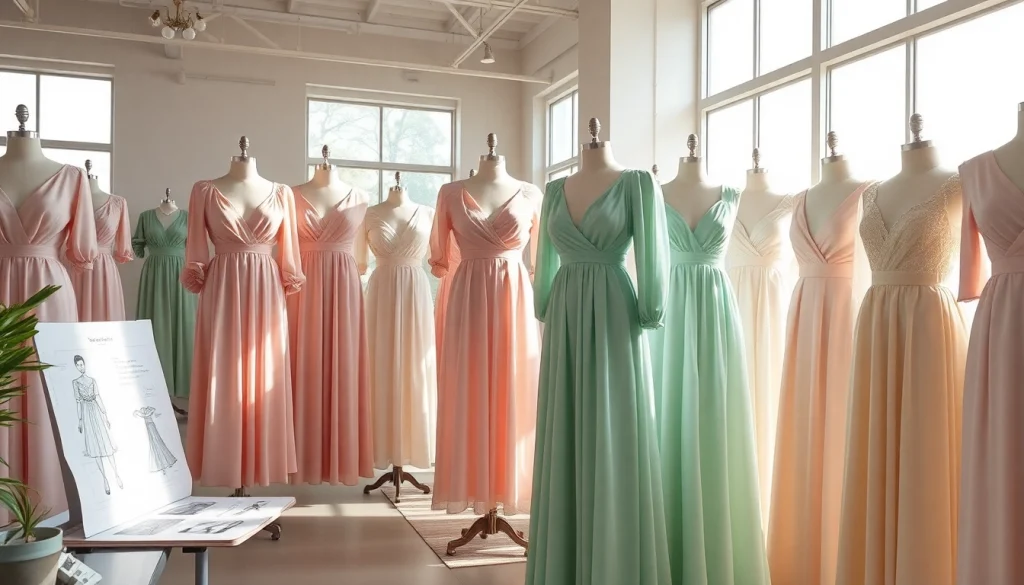
Understanding the Role of a Dresses Manufacturer
What is a Dresses Manufacturer?
A Dresses Manufacturer is a specialized production entity that designs, creates, and distributes a wide range of dresses, catering to various markets and customer segments. These manufacturers are pivotal in the fashion industry, acting as the bridge between design and retail. They take concepts from fashion designers and turn them into tangible products, encompassing everything from casual wear to formal attire. This process includes pattern-making, fabric selection, sewing, and quality assurance, ensuring the final product aligns with market standards and consumer expectations. Dresses Manufacturer often work with brands or retailers that require large quantities, efficiently managing mass production while adhering to established quality norms.
Importance of Choosing the Right Manufacturer
Choosing the right Dresses Manufacturer is critical for brands aiming to maintain quality, consistency, and market relevance. A reputable manufacturer can provide insights into material sourcing, production timelines, and cost-effectiveness, directly impacting a brand’s ability to deliver trends quickly. Moreover, the right collaboration can enhance the design process, allowing for innovation and creativity while keeping production feasible. Brands risk reputational damage if they partner with manufacturers that cut corners or fail to meet delivery schedules. Therefore, evaluating potential partners not only on their production capacity but also on their commitment to quality and ethical practices is essential.
How Manufacturers Influence Fashion Trends
Dresses Manufacturers play a significant role in shaping fashion trends, often setting the stage for what becomes popular in the retail market. By analyzing consumer behavior and feedback, these manufacturers can advise designers on the latest fabrics, silhouettes, and styles that are gaining traction. They also have direct connections to retailers and customers, which helps them identify preferences and predict emerging trends. This relationship creates a feedback loop where manufacturers, designers, and retailers collaborate to serve fashion-forward consumers effectively. Furthermore, by integrating technological advancements like CAD (Computer-Aided Design) in their processes, manufacturers can prototype new designs faster, getting fresh ideas into production quicker than ever before.
Factors to Consider When Selecting a Dresses Manufacturer
Quality of Materials and Fabrics
The quality of materials and fabrics is a crucial factor when selecting a Dresses Manufacturer. High-quality materials can elevate a dress’s aesthetics and durability, affecting customer satisfaction and brand reputation. Manufacturers should offer a variety of options, including cotton, silk, polyester, and sustainable fabrics, allowing brands to maintain flexibility in their design. It’s vital to request fabric samples and ensure they meet necessary standards such as softness, breathability, and resilience. Additionally, confirming that the manufacturer implements stringent quality control checks can further assure the reliability of the sourced materials.
Production Capabilities and Timelines
Understanding the production capabilities and timelines of a Dresses Manufacturer is essential for planning inventory and launching collections on time. A competent manufacturer should be transparent about their production capacity, lead times, and potential bottlenecks, especially during peak seasons. Brands should also assess a manufacturer’s ability to adapt to fluctuating demand, whether it’s scaling up for a new launch or scaling down during slow seasons. Strategies such as just-in-time production or pre-production planning can also mitigate issues that arise from poor supply chain management.
Pricing Structures and Value for Money
The pricing structure of a Dresses Manufacturer should be clearly understood in order to assess the overall value for money. Brands must consider not only the cost per dress but also additional costs such as shipping, import duties, and potential tariffs. A lower price point may be desirable, but it should not compromise quality. Conducting a comprehensive cost-benefit analysis allows brands to identify manufacturers that align with their financial strategy while ensuring that the quality is not sacrificed. Long-term partnerships can also lead to better pricing arrangements as trust and credibility are built over time.
Best Practices for Working with a Dresses Manufacturer
Effective Communication and Feedback
Establishing effective communication with a Dresses Manufacturer is paramount in creating a successful partnership. Clear and continuous feedback should be encouraged, allowing brands to relay their expectations, and manufacturers to provide insights or suggestions based on technical feasibility and market trends. Regular check-ins can help track progress, catch issues early, and ensure that the product aligns with the original vision. Utilizing project management tools can aid in maintaining open lines of communication, providing documentation, and centralizing discussions.
Building Long-Term Partnerships
Building long-term partnerships with Dresses Manufacturers can offer significant advantages such as more favorable pricing, faster turnaround times, and improved collaboration on design innovations. Establishing trust is key—brands can achieve this by honoring contractual agreements, maintaining transparency, and being receptive to the manufacturer’s insights and ideas. Long-term relationships also make it easier to pivot on designs or materials based on changing market conditions since both parties are more attuned to each other’s capabilities and expectations.
Quality Control and Assurance Processes
Implementing robust quality control and assurance processes is essential to ensure that the final dresses meet a brand’s standards and satisfy customer expectations. Brands should discuss the quality assurance measures the Dresses Manufacturer has in place, which may include random sample testing, production audits, and adherence to internationally recognized quality standards. Additionally, brands may consider establishing checkpoints during production to review samples and provide feedback before full-scale production begins, which helps mitigate risks associated with defects or deviations from design specs.
Innovative Trends in Dress Manufacturing
Sustainable and Eco-Friendly Practices
The push towards sustainability in fashion has led many Dresses Manufacturers to adopt eco-friendly practices. This includes sourcing organic or recycled materials, implementing energy-efficient manufacturing processes, and seeking certifications that validate their commitment to sustainability. Brands should look for manufacturers that emphasize reducing waste, whether through optimized production techniques or using biodegradable packaging. Adopting sustainable practices not only appeals to a growing demographic of environmentally conscious consumers but also positions brands favorably in a competitive market.
Technological Innovations in Production
Technological innovations are transforming the ways Dresses Manufacturers operate, leading to increased efficiency and precision. Techniques such as automated cutting and sewing, digital printing, and 3D modeling are revolutionizing how dresses are produced. Brands can benefit from manufacturers that leverage these technologies, as they tend to have shorter lead times and reduce discrepancies in production. Moreover, advancements such as AI forecasting tools enable manufacturers to analyze market data and predict trends, ensuring that production is always aligned with consumer demands.
Customization and Personalization Options
The demand for customization and personalization in fashion is on the rise, with consumers seeking unique dresses tailored to their preferences. Dresses Manufacturers that offer customization options, such as fabric choices, lengths, and design modifications, can set themselves apart from competitors. Implementing software that allows customers to visualize their custom selections can enhance the shopping experience, leading to higher conversion rates. Brands should explore partnerships with manufacturers that have the capability to produce customized pieces without sacrificing efficiency or quality.
FAQs about Dresses Manufacturers
What should I look for in a quality Dresses Manufacturer?
Look for their experience, quality of materials, production capabilities, and commitment to ethical practices. Request references and samples to evaluate their work.
How can I ensure the dresses meet my design specifications?
Establish clear communication from the start. Provide detailed design documents, and request periodic samples during production to gauge adherence.
What is the average production time for a dress?
The average production time can vary, typically ranging from 2 to 8 weeks depending on complexity and order quantity. Always clarify this before placing an order.
Are sustainable dresses more expensive to manufacture?
Sustainable dresses can be more costly due to eco-friendly materials and processes. However, they often yield higher consumer demand, offsetting initial costs.
How can I assess the reputation of a Dresses Manufacturer?
Research their track record via reviews, testimonials, and industry reputation. Talking to past clients can provide insights into their reliability and quality.